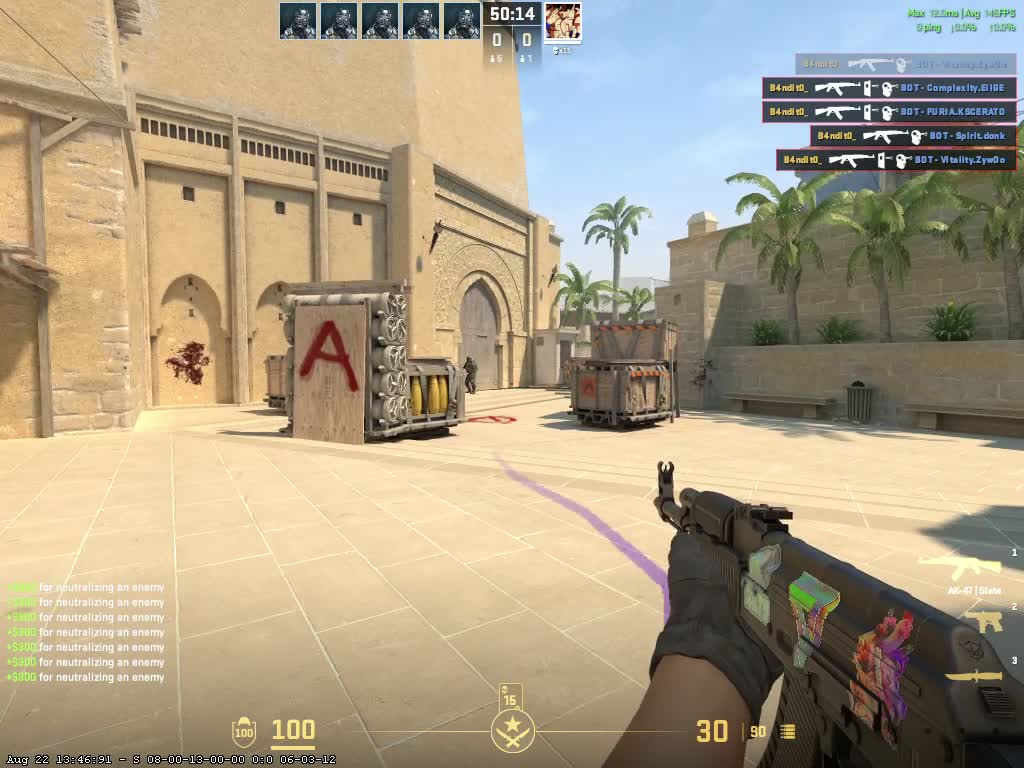
Mastering Prefire Angles: A Comprehensive Guide for CSGO Players
Mastering prefire angles is crucial for every CS:GO player looking to gain an edge over their opponents. In this guide, we will explore the concept of prefire angles, which refers to the strategic positioning and timing when you fire your weapon at common spots where enemies might be located. Understanding and mastering prefire angles can significantly improve your ability to secure kills and control the map. Start by identifying key locations on each map where players often hold positions, and practice shooting at these angles before you actually encounter an opponent.
To effectively utilize prefire angles, consider the following tips:
- Study the maps: Familiarize yourself with the layout of each map, including common hiding spots and chokepoints.
- Practice your crosshair placement: Always aim your crosshair at the expected position of enemies to reduce reaction time.
- Use sound cues: Listen for footsteps or other audio indicators that might signal an enemy's presence.
- Watch pro players: Analyze how professional players position themselves and use prefire angles during matches.
Counter-Strike is a highly popular tactical first-person shooter game that involves team-based gameplay. Players can customize their characters and weapons, including a variety of mp9 skins, to enhance their gaming experience. The game emphasizes strategy, communication, and skill as players compete to complete objectives or eliminate opposing teams.
Why Prefire Angles are Essential for Maintaining Map Control in CSGO
In the competitive landscape of CSGO, mastering the use of prefire angles is crucial for maintaining map control. Prefiring involves shooting at a corner or angle where you anticipate an enemy might be positioned. This technique not only allows players to gain an early advantage but also helps in denying the opposing team essential space on the map. By anticipating enemy movement and utilizing effective prefire angles, players can contribute significantly to their team's overall strategy and control.
Understanding the dynamics of each map is key to optimizing your use of prefire angles. For instance, on maps like Dust II and Mirage, knowing common hiding spots where enemies lurk enables players to prefire effectively, potentially scoring early eliminations. When combined with good communication and team coordination, prefiring can disrupt enemy plans and force them into unfavorable engagements. In summary, the proficient use of prefire angles is indispensable for securing and maintaining map control in CSGO.
How to Identify and Utilize Prefire Angles for Maximum Impact in Your CSGO Matches
Identifying prefire angles in CSGO can significantly enhance your gameplay and improve your chances of securing kills. To effectively spot these angles, start by familiarizing yourself with the maps you frequently play. A prefire angle is typically a spot where an enemy is likely to be positioned, such as corners or chokepoints where players often hide. Use game mechanics to your advantage; for instance, note the common paths your opponents take and the locations they commonly occupy during engagements. Keeping this knowledge in mind will allow you to anticipate enemy positions and pre-aim before you even enter these areas. Additionally, watching professional streams or tutorials can provide insight into expert players' movements and prefire angles they utilize.
Once you've identified these key angles, utilizing prefire angles effectively during your matches involves precise timing and coordination with your teammates. Before entering an area where enemies might be positioned, take a moment to position your crosshair at the anticipated angle. Practice the timing of your shots, as rushing in without careful aim could lead to missed opportunities. Utilize smokes or flashbangs to create distractions or to flush enemies out from their hiding spots, making it easier for you to exploit your knowledge of prefire angles. By mastering this technique, you’ll not only maximize your impact in matches but also cultivate a deeper understanding of map dynamics and player behavior.