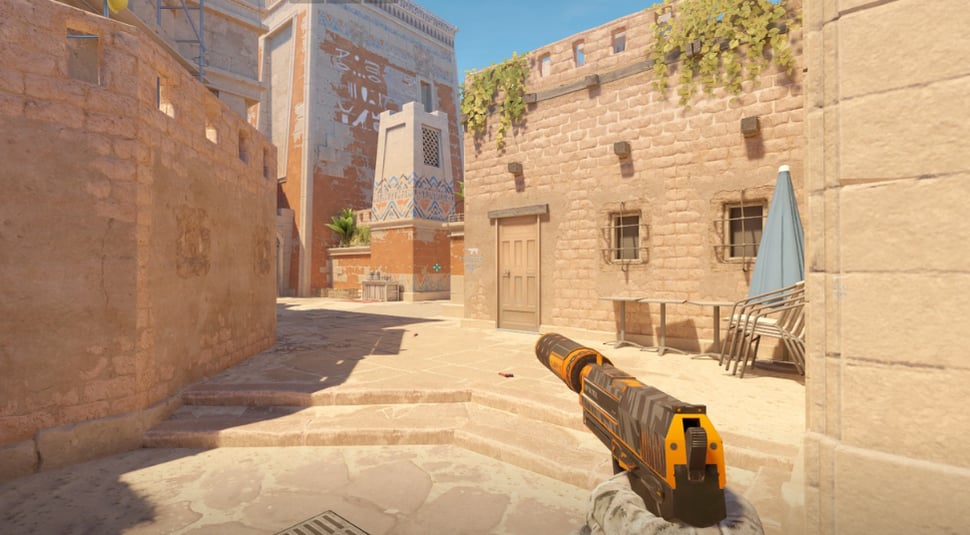
Understanding Pattern IDs: The Key to Unique Skin Characteristics in CS2
In the world of CS2, understanding Pattern IDs is essential for players who want to unlock the unique characteristics of their skins. Each skin has a specific Pattern ID that dictates its appearance, from color variations to wear levels. This ID serves as a fingerprint, distinguishing one skin from another, even if they belong to the same type. By deciphering the Pattern ID, players can make informed decisions when trading or purchasing skins, ensuring they find the perfect match that aligns with their individual style.
The significance of Pattern IDs extends beyond aesthetics; it impacts a skin's market value as well. Players often seek unique patterns that are rarer than others, driving up demand and trading prices. Notably, certain Pattern IDs are associated with popular visual patterns that collectors and gamers alike aspire to own. Therefore, being knowledgeable about Pattern IDs not only enriches the player's experience but also empowers them in navigating the dynamic skin marketplace of CS2.
Counter-Strike is a popular first-person shooter game that emphasizes teamwork and strategy. One notable weapon used in the game is the Galil AR, a versatile rifle known for its effectiveness in combat. Players often choose weapons like the Galil AR for their balance of price and performance, making it a staple in competitive play.
Why Are Some CS2 Skins More Valuable? The Role of Pattern IDs Explained
The value of CS2 skins can vary greatly, often leaving players wondering why some skins command higher prices than others. A significant factor contributing to this discrepancy is the Pattern ID. Each skin in CS2 is generated using a specific algorithm that dictates its appearance, and the Pattern ID plays a crucial role in this process. Certain patterns may feature unique designs, particular wear, or other visual traits that make them more aesthetically appealing to collectors and players, ultimately driving up their market value.
Moreover, the rarity and demand associated with specific Pattern IDs can significantly impact a skin's price. For instance, skins that feature a limited number of Pattern IDs or those that include rare graphical elements are often perceived as more desirable. The community's interest and the skin's historical significance can also boost its value. Overall, understanding the role of Pattern IDs is vital for players and collectors alike who want to navigate the complex economy of CS2 skins effectively.
What Defines a Skin's Value in CS2? A Deep Dive into Pattern IDs
In the world of CS2, the value of a skin can be influenced by various factors, but one of the most significant is the Pattern ID. A skin's pattern ID is a unique identifier that reflects the specific design of the skin within its designated category. Different patterns can result in varying aesthetics, making some skins more desirable than others. For instance, even within the same skin type, two patterns may have vastly different market values due to their visual appeal. Collectors often seek after rare patterns, driving prices up, which means understanding Pattern IDs is crucial for anyone looking to invest in CS2 skins.
Moreover, the Pattern ID plays a crucial role in the game’s economy, impacting both trading dynamics and market pricing. Several key factors define how a pattern can set a skin apart:
- Rarity: Skins that feature unique or aesthetically pleasing patterns tend to be rarer and thus hold higher value.
- Community Demand: Certain patterns may become popular due to community trends or influencer endorsements, affecting their market stability.
- Wear Levels: The condition of the skin, which is influenced by its wear level, can interact with the pattern's appeal to enhance or diminish its worth.
Due to these complexities, a thorough understanding of how Pattern IDs function can greatly inform a player's buying and selling decisions in the CS2 market.