Mastering Crosshair Placement: The Key to CS2 Precision
In the world of CS2, mastering crosshair placement is essential for achieving precision and consistency in your gameplay. Unlike other games, where flick shots may carry players through intense matches, CS2 requires a more strategic approach to every engagement. To develop your skill, it's crucial to focus on keeping your crosshair at head level and pre-aiming at common angles where enemies are likely to appear. By doing this, you significantly reduce the time it takes to react, thereby improving your chances of landing that vital first shot.
One of the most effective strategies for honing your crosshair placement is through practice and understanding map layouts. Start by familiarizing yourself with popular maps and the typical positions that players tend to occupy. You can use tools like aim trainers or dedicated practice modes to work specifically on your crosshair positioning. Keep in mind that consistent practice is key; set aside time each day to incorporate crosshair drills into your routine. By implementing these techniques, you will not only amplify your overall precision in CS2 but also boost your confidence during competitive gameplay.
Counter-Strike is a highly popular tactical first-person shooter game that emphasizes teamwork and strategy. Players can participate in various game modes, including competitive matches and casual play. One of the exciting elements of the game is the clutch case, which offers unique items and rewards for players looking to enhance their gaming experience.
Top 5 Drills to Improve Your Aim in CS2
Improving your aim in CS2 is essential for any player looking to enhance their competitive edge. One of the most effective ways to achieve this is through targeted drills that focus on precision and reaction time. Here are the Top 5 Drills to Improve Your Aim in CS2:
- Target Tracking: Set up a series of moving targets in a practice map to hone your tracking skills. This drill helps to improve your aim by forcing you to adjust your crosshair in real-time as the targets move.
- Flick Shots: Use aim training maps to practice flick shots. This exercise trains your muscle memory and reaction speed, allowing you to quickly shift from one target to another.
- Spray Control: Find a wall in the game and practice spraying shots at it from various distances. Understanding and controlling recoil patterns are vital for landing those crucial shots in-game.
- 1v1 Duels: Engage in 1v1 matches with a friend or use community servers to sharpen your aim against real opponents. This helps simulate the pressure of an actual game scenario.
- Deathmatch Mode: Regularly play Deathmatch games to practice your aim in a fast-paced environment. It allows you to face off against a variety of players and improve your shooting under pressure.
How to Use Aim Training Tools Effectively for Counter-Strike 2
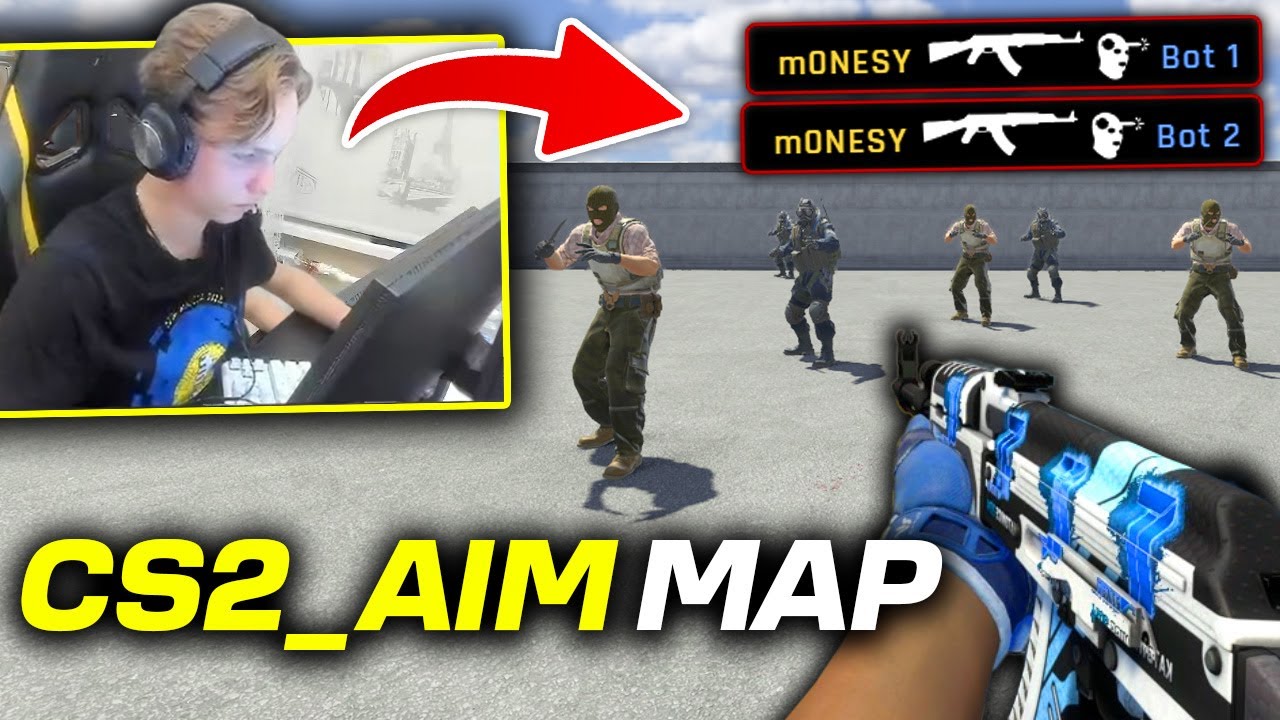
Effective aim training is crucial for improving your performance in Counter-Strike 2, and utilizing aim training tools can greatly enhance your skills. To start, it's important to choose the right tools tailored to your specific needs. Some of the popular aim training platforms include Aim Lab, Kovaak’s FPS Aim Trainer, and even custom maps within Counter-Strike itself. Each of these tools offers a variety of exercises designed to help you improve different aspects of your aim, such as tracking, flicking, and reflex shots. Set aside dedicated time each day to practice with these tools, and focus on specific areas you want to improve.
Incorporate realistic scenarios into your practice regimen to ensure that the skills you develop during aim training translate effectively to actual gameplay. For instance, use aim training maps that simulate situations you frequently encounter in Counter-Strike 2 matches. Additionally, keep track of your progress by recording your scores and times on various drills. Engaging in friendly competitions with friends or fellow gamers can also motivate you to push your limits and improve faster. Remember to stay consistent with your training, as regular practice is key to mastering aim.