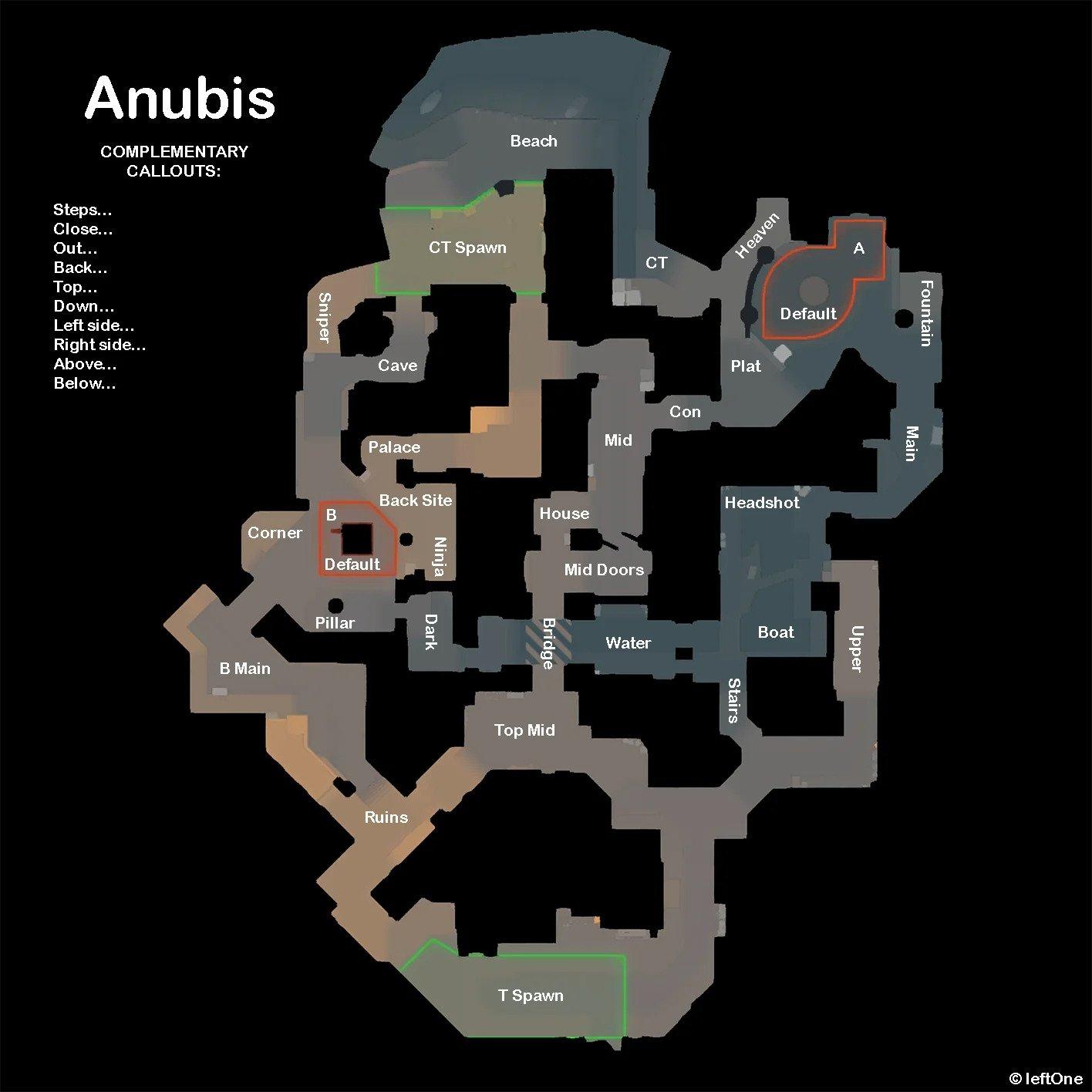
Mastering CS2 Callouts: Essential Tips for New Players
When diving into the world of CS2, mastering callouts is crucial for enhancing your gameplay. Callouts are specific terms and phrases used to identify locations on a map, allowing players to communicate effectively with their teammates. For new players, familiarizing yourself with common callouts can significantly reduce confusion during intense matches. Start by learning the basic map layouts and their designated callouts. Consider creating a cheat sheet or using resources online that provide visual aids to help reinforce your memory.
In addition to memorizing callouts, it's essential to practice using them in real-game scenarios. Communication is key in CS2, and using standardized callouts can lead to better teamwork and strategy execution. Try to incorporate these into your gameplay by actively calling out enemy positions and game events. Here are a few tips to enhance your communication skills:
- Stay concise: Keep your callouts brief and to the point.
- Use clear terms: Avoid slang or ambiguous phrases.
- Ask for clarification: If someone mentions a location you're unsure about, don’t hesitate to ask.
With consistent practice, mastering CS2 callouts will elevate your performance and ensure that you become a valuable team player.
Counter-Strike is a popular first-person shooter game series that has captivated millions of players worldwide. Many enjoy the tactical gameplay and team-based strategy of cs go offline, where players can practice their skills without the pressure of competitive matches.
Top 10 Callouts Every CS2 Player Should Know
As a player in CS2, mastering callouts is essential for effective communication and strategy during gameplay. Callouts refer to specific locations on the map that players use to inform their teammates about enemy positions or important objectives. Knowing the top 10 callouts can dramatically enhance your team's coordination and increase your chances of winning. Here are the top 10 callouts every CS2 player should know:
- Bombsite A: The primary area where bomb plant and defusal operations take place.
- Mid: The central corridor that connects various map sections, vital for map control.
- Connector: The passage linking Mid to A Site, perfect for surprise plays.
- Long: A key stretch leading directly to A Site, often contested early in rounds.
- Short: An alternative route to A Site that can catch opponents off guard.
- Upper B tunnels: A hidden route for stealthy approaches to B Site.
- Lower B tunnels: A crucial location for flanking and sneaky maneuvers.
- Catwalk: Elevated paths providing excellent vantage points for snipers.
- Library: A tactical hiding spot that can surprise enemies pushing to A.
- Balcony: The overhead area on A that gives an advantage when holding back attackers.
How to Use Callouts to Boost Your Team's Performance in CS2
In competitive gaming environments like Counter-Strike 2 (CS2), effective communication is paramount for team success. One of the most impactful tools is the use of callouts, which are specific verbal cues used to relay important information about enemy positions, map areas, or strategic plays. To implement this effectively, ensure that every team member is familiar with standardized callouts for each map. This can greatly improve reaction times and coordination during matches. Consider creating an ordered list of callouts for each player to memorize during practice sessions:
- Map A - Bombsite Locations
- Choke Points and High Traffic Areas
- Potential Sniper Positions
Furthermore, integrating callouts into your team's strategy can provide a significant boost to performance. Encourage players to call out enemy locations, even if they are unsure, as this can lead to quick decisions and adaptations during gameplay. Utilize tools such as voice chat or in-game markers to enhance communication. A successful team will not only recognize and utilize callouts but will also practice them until they become second nature. Remember, a well-coordinated team that communicates effectively can turn the tide of a match with timely information and collaboration.