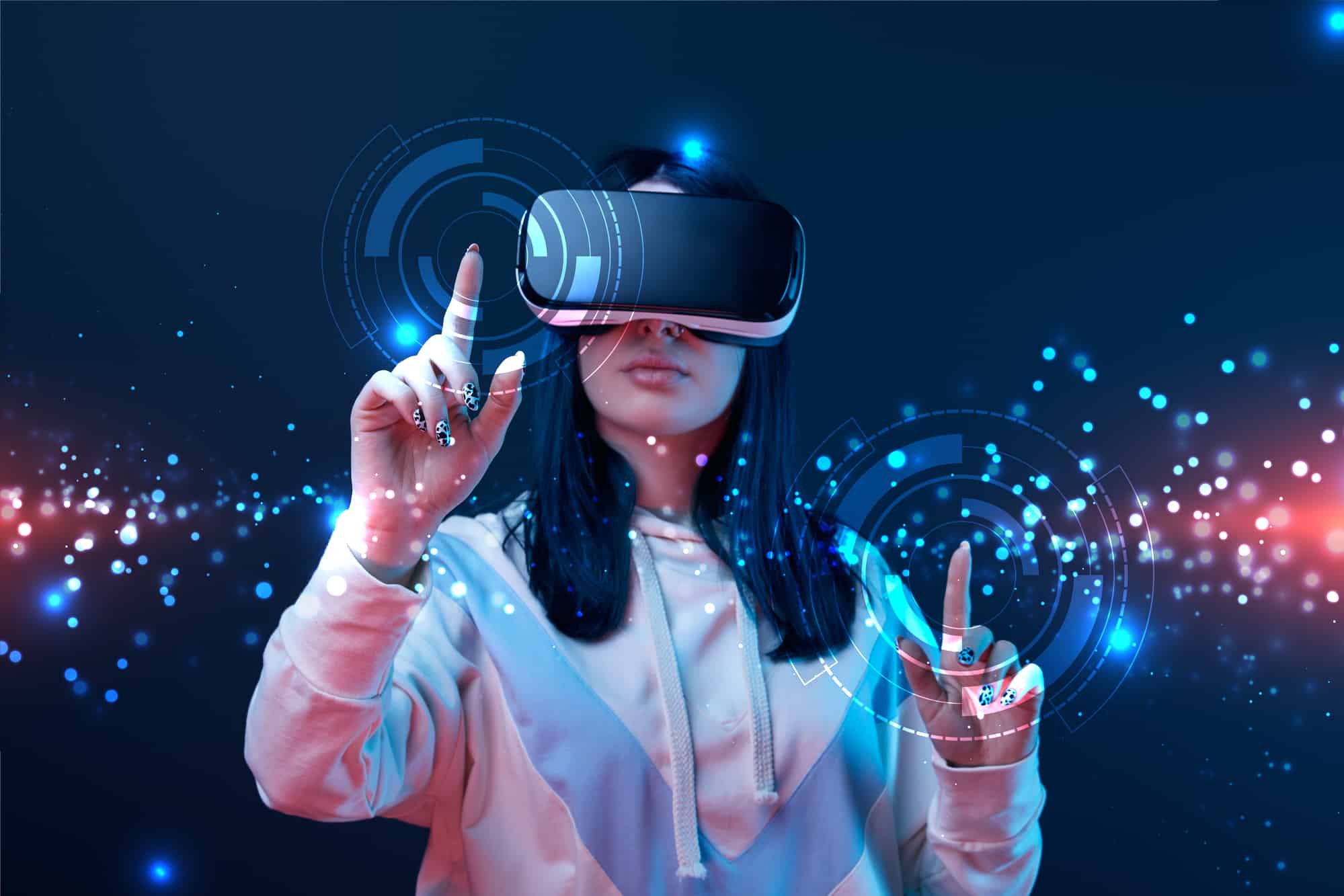
Exploring the Future: How Augmented Reality is Changing Our Perception of Reality
As we delve into the future of technology, Augmented Reality (AR) stands out as a groundbreaking innovation that is reshaping how we perceive the world around us. By overlaying digital information onto our physical environment, AR has the potential to enhance our daily experiences in various fields such as education, healthcare, and entertainment. For instance, consider the way AR applications can provide interactive learning experiences, enabling students to visualize complex concepts in real-time. This dynamic interaction not only promotes engagement but also enhances retention, making learning more effective.
The impact of Augmented Reality on our perception of reality goes beyond education. In retail, for example, customers can virtually try on clothes or see how furniture would look in their living space before making a purchase. This seamless blend of the digital and physical worlds creates a more informed and satisfying shopping experience. As we look to the future, it's clear that AR technology will continue to evolve, further blurring the lines between reality and digital enhancement, ultimately transforming how we interact with our environment and each other.
If you're looking for versatility and convenience, check out the Top 10 Adjustable Tablet Stands. These stands offer a range of features, such as height adjustment, rotation, and stability, making them perfect for both work and leisure. Whether you need a stand for reading, watching videos, or video conferencing, there's an option in this list that will meet your needs.
Are We Living in a Simulation? The Impact of AI on Our Understanding of Existence
The question, Are we living in a simulation?, has captivated philosophers and scientists alike for decades. With the rise of artificial intelligence (AI), our understanding of existence is continually being reshaped. AI systems, capable of generating complex digital environments and realistic human interactions, blur the lines between reality and simulation. As we explore these advancements, it raises a profound inquiry: if machines can create realistic simulations, what does that imply about our own reality? This paradox challenges our traditional perceptions and invites a broader conversation about consciousness and existence itself.
Moreover, the impact of AI on our understanding of existence extends beyond just theoretical musings. As AI continues to evolve, it introduces ethical dilemmas and questions about what it means to be human. For instance, if AI can mimic emotional intelligence or human-like behaviors, how do we differentiate between human experience and simulated experience? This fundamental question not only forces us to reassess our definitions of life and conscious experience but also encourages us to consider the responsibilities we carry as creators of these technologies. Ultimately, as we delve deeper into the intersection of AI and existence, we may find that the answers to the question of whether we live in a simulation are intricately linked to the very technologies we design.
The Rise of Virtual Reality: Can It Enhance or Diminish Our Real-Life Experiences?
The rise of virtual reality (VR) technology has sparked a fascinating debate about its potential to either enhance or diminish our real-life experiences. As VR continues to evolve, it offers immersive environments that transport users into different worlds. For instance, people can explore ancient ruins, attend concerts in far-off places, or even engage in simulated experiences that allow them to overcome their fears. This ability to escape reality can lead to greater empathy as users experience scenarios from different perspectives, expanding their understanding of diverse cultures and situations.
However, there are concerns that the increasing prevalence of virtual reality might detach individuals from their physical environments. Critics argue that excessive use of VR could lead to a diminished appreciation of real-world experiences, as individuals might prefer virtual escapism to facing the challenges of reality. Additionally, there are worries about the social implications of VR leading to isolation, with users turning to digital interactions over genuine connections. Balancing the benefits of enhanced experiences with the potential risks of diminished real-life engagement is crucial as we navigate this rapidly advancing technology.