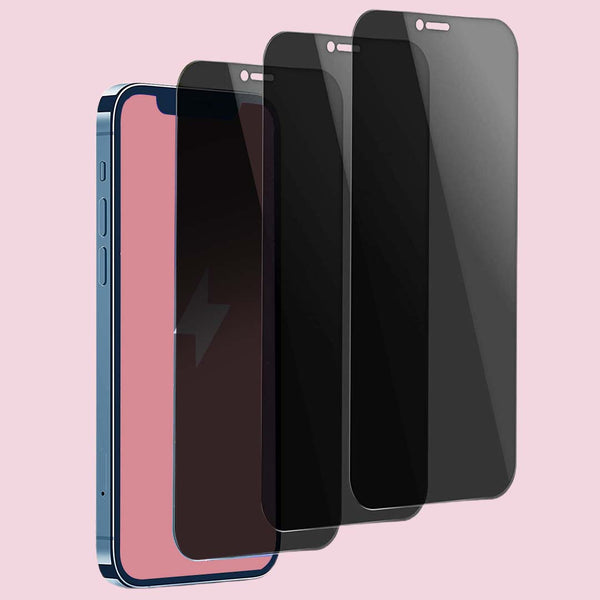
The Importance of Screen Protectors: Why Your Phone Needs an Invisible Bodyguard
In today's fast-paced world, our smartphones are not just communication tools; they are essential companions that hold our memories, work, and entertainment. However, with daily use comes the inevitable risk of scratches, cracks, and other damage. This is where screen protectors prove to be invaluable. Just as you would wear a seatbelt for safety in a car, a screen protector acts as an invisible bodyguard for your phone's delicate display. Not only does it shield against scratches from keys and coins, but it also provides a barrier against accidental drops and impacts that could lead to costly repairs or replacements.
Moreover, many screen protectors offer additional benefits beyond just physical protection. For instance, some come with anti-glare or blue light filtering features that reduce strain on your eyes, making it easier to use your phone for extended periods. With a variety of options available, from tempered glass to flexible films, investing in a quality screen protector is a small price to pay for the peace of mind it provides. Remember, taking preventative measures today means safeguarding your device—and your wallet—tomorrow!
If you own an Apple Watch Ultra, enhancing its functionality and style can be achieved with the right accessories. From protective cases to stylish bands, there’s a wide range of options available. Check out the Top 10 apple watch ultra accessories to find the perfect additions to your wrist device.
Choosing the Right Screen Protector: A Comprehensive Guide
When it comes to choosing the right screen protector, the first step is to understand the different types available on the market. There are primarily three types: tempered glass, plastic film, and liquid screen protectors. Each type has its own advantages and disadvantages based on durability, sensitivity, and clarity. For instance, tempered glass offers superior protection against scratches and drops, while plastic film is more affordable but may not withstand heavy impacts. Liquid screen protectors, on the other hand, provide a thin layer of protection and are often invisible, making them a popular choice for those who prefer minimalism.
Once you have selected the type of screen protector that suits your needs, it is essential to consider factors such as compatibility and application method. Many screen protectors are designed specifically for certain devices, so always check for the right fit. Additionally, ensure that you follow the application instructions closely to avoid bubbles or misalignment. Using a lint-free cloth for cleaning the screen and applying it in a dust-free environment can significantly improve the installation process. With the right screen protector in place, you can keep your device safe from everyday wear and tear.
FAQs About Screen Protectors: What You Need to Know
Screen protectors are an essential accessory for anyone looking to maintain the integrity of their devices. Whether you own a smartphone, tablet, or smartwatch, a screen protector can safeguard against scratches, cracks, and other forms of damage. One frequently asked question is, 'Do I really need a screen protector?' The answer is a resounding yes! A high-quality screen protector not only preserves the clarity and sensitivity of your device's screen but can also enhance its resale value. Additionally, many modern protectors come with anti-glare and blue light filtering features that provide extra comfort during extended use.
Another common question revolves around the different types of screen protectors available. There are primarily three types:
- Plastic Film Protectors: These are the most affordable options, offering basic protection against scratches but minimal shock absorption.
- Tempered Glass Protectors: These provide superior protection with added durability and are often favored for their smooth, glass-like feel.
- Liquid Screen Protectors: These are applied directly onto the screen and offer a more invisible layer of protection, although they may not be as effective against drops.