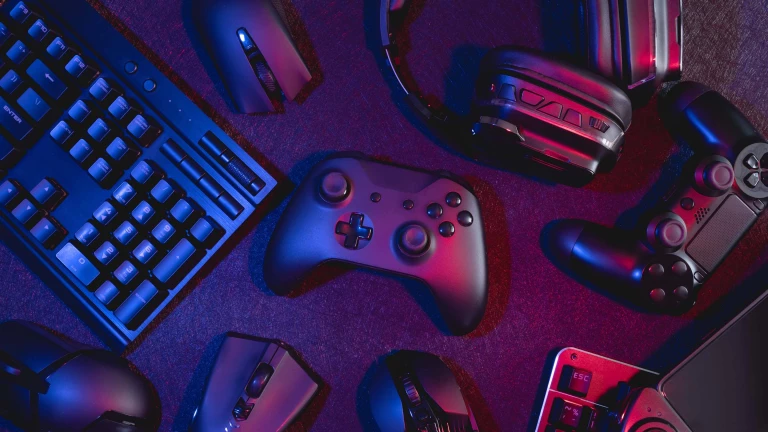
From Game Strategies to Life Strategies: Harnessing the Power of Gaming Skills
In today's fast-paced world, the lessons learned from gaming can extend far beyond the digital realm. Many players develop strategies that not only enhance their gaming performance but also cultivate essential skills applicable in real life. For instance, games that involve critical thinking and problem-solving, such as strategy or puzzle games, encourage players to evaluate situations, anticipate outcomes, and make quick decisions. These skills are invaluable when faced with challenges in the workplace or personal life, transforming a player's game strategies into actionable life strategies.
Moreover, gaming fosters essential qualities such as teamwork, communication, and resilience. Multiplayer online games require players to collaborate towards a common goal, promoting a sense of community and the ability to express ideas effectively. This collaborative skill set can be directly applied to team projects in professional settings. Resilience is another critical component that gaming instills, teaching players how to cope with failure and learn from their mistakes. By harnessing these gaming skills, individuals can navigate both their virtual and real-world challenges with enhanced confidence and adaptability.
If you're looking to enhance your gaming or everyday computing experience, consider investing in some high-quality grip solutions. Check out the Top 10 Mouse Grip Tapes to find the best options available that can improve your mouse control and comfort. These tapes come in various textures and sizes to fit any mouse, helping you achieve a more precise grip and improved performance.
Level Up Your Career: How Gaming Enhances Problem-Solving Abilities
In today's competitive job market, having strong problem-solving skills is essential for career advancement. Surprisingly, gaming can significantly enhance these abilities. Games often present players with complex puzzles, challenging them to think critically and strategically. This immersion in problem-solving scenarios not only fosters creativity but also improves cognitive flexibility, allowing individuals to adapt their thinking when confronted with new obstacles. By engaging in multiplayer games, players also learn to collaborate and communicate effectively, further enhancing their problem-solving toolkit.
Moreover, many modern games incorporate elements of strategy and resource management, requiring players to analyze situations, weigh options, and make decisions quickly. For instance, games like StarCraft or The Legend of Zelda push gamers to devise tactical plans and anticipate their opponents' moves, mirroring real-world challenges in the workplace. Embracing these gaming experiences can not only help individuals level up their analytical skills but also increase their confidence in tackling complex problems, ultimately leading to a more successful career trajectory.
Can Playing Video Games Improve Your Real-Life Decision-Making Skills?
Can playing video games improve your real-life decision-making skills? This question has gained traction as more individuals recognize the cognitive benefits associated with gaming. Research indicates that certain types of video games, particularly strategy and role-playing games, can significantly enhance players' ability to make quick and effective decisions. These games often require players to evaluate multiple variables, anticipate opponents’ moves, and adapt strategies on the fly, mirroring situations encountered in everyday life.
Moreover, studies suggest that gamers develop a heightened sense of spatial awareness and improved reasoning skills. For instance, action games can increase visual attention and the ability to track objects, which can translate into better decision-making in real-world scenarios. By training the brain to handle complex information in a dynamic environment, players may find themselves better equipped to analyze situations and make informed choices. This intriguing intersection of gaming and cognitive science opens up discussions on the potential of video games as valuable tools for personal development.