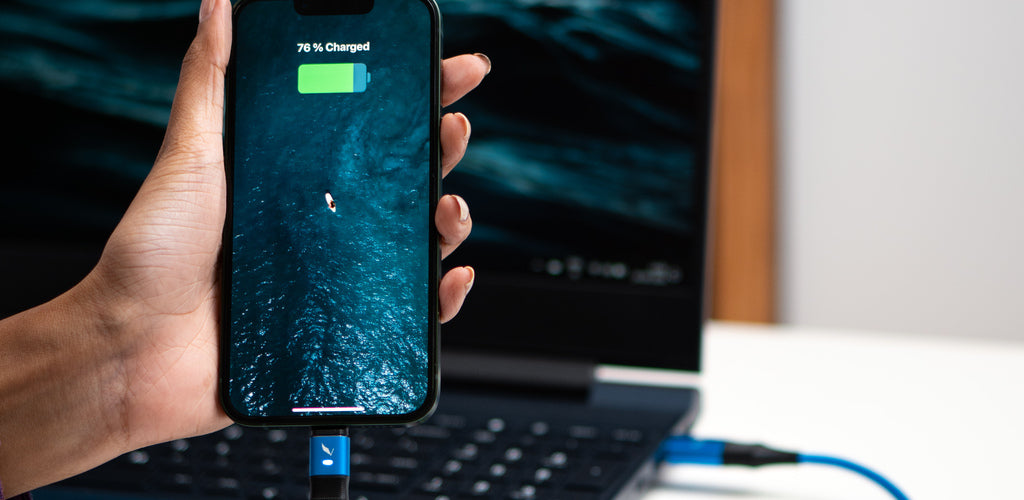
The Future of Fast Charging: Technologies Driving the Race
The race for faster charging technologies is heating up, with innovations that promise to revolutionize how we power our devices. One of the most exciting developments is solid-state batteries, which utilize a solid electrolyte instead of a liquid one. This shift not only enhances energy density but also significantly reduces charging time. According to recent studies, solid-state batteries could enable fast charging in less than 15 minutes without compromising safety. Leading companies like Toyota and QuantumScape are investing heavily in this technology, anticipating a major shift in the market within the next few years.
In addition to battery advancements, the introduction of high-power charging stations is crucial for the future of fast charging. These stations, capable of delivering power levels exceeding 350 kW, are being deployed globally to support electric vehicles (EVs) and other high-capacity devices. The implementation of ultra-fast charging networks not only cuts the time it takes to recharge but also enhances user convenience, making electric mobility more appealing. As charging infrastructure continues to expand, the synergy between cutting-edge battery technology and high-power stations will drive the fast charging race into the next decade.
Counter-Strike is a highly popular first-person shooter game that has captivated gamers around the world. Players can choose to fight as terrorists or counter-terrorists in various gameplay modes. For those looking to enhance their gaming experience, check out the Top 10 Wireless Charging Stands to keep your devices powered during intense gaming sessions.
Fast Charging vs. Traditional Charging: What's the Real Difference?
In today's fast-paced world, the efficiency of our devices is paramount, making the difference between fast charging and traditional charging increasingly significant. Fast charging refers to technologies that allow devices to charge their batteries at a much quicker rate than conventional methods, typically using higher voltage or current levels. This technology is becoming mainstream in smartphones, laptops, and electric vehicles, enabling users to get hours of usage from just a short charging session. On the other hand, traditional charging usually operates at lower power levels, taking significantly longer to fully charge devices, often leading to frustration, especially for those on the go.
When comparing the two, it's essential to understand the mechanics involved. Fast charging works through various protocols that manage the power distribution effectively, such as Qualcomm's Quick Charge or USB Power Delivery. These technologies not only enhance charging speeds but also prioritize safety by adjusting power levels based on the device's requirements. Conversely, traditional charging typically involves standard chargers that provide a fixed output, which can lead to prolonged wait times for device recharges. Overall, while fast charging offers greater convenience and efficiency, it’s vital to use compatible chargers to avoid potential battery damage, making informed choices crucial.
How Fast Charging is Revolutionizing Electric Vehicle Adoption
The rise of electric vehicles (EVs) has been largely driven by technological advancements, and fast charging is at the forefront of this revolution. With traditional charging methods often taking several hours, the introduction of fast charging stations has significantly decreased the charging time to as little as 30 minutes for a full charge. This convenience not only makes EVs more appealing to potential buyers but also helps to alleviate range anxiety—a common concern among consumers contemplating the switch from gasoline-powered vehicles. As infrastructure continues to grow, the accessibility of fast charging solutions is transforming the landscape of transportation.
Moreover, the environmental benefits of electric vehicles are well-documented, and with the support of fast charging technology, more drivers are making the leap to adopt greener alternatives. Many major automakers are now investing heavily in fast charging networks, creating partnerships that ensure drivers have reliable access to quick charging options. As we move forward, it's clear that the synergy between fast charging and electric vehicle innovation is not just enhancing user experience, but is also pivotal in accelerating the shift towards sustainable transportation solutions worldwide.