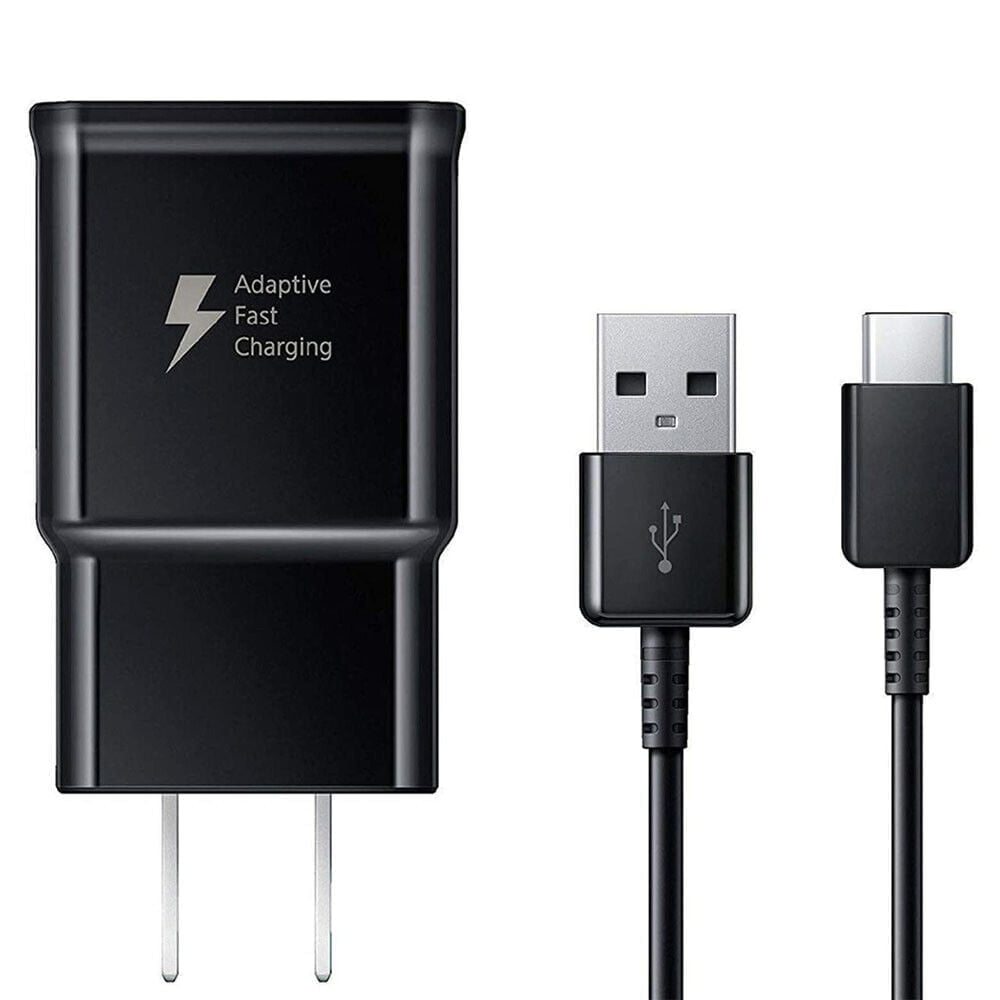
The Future of Fast Charging: How Technology is Revolutionizing Energy Consumption
The future of fast charging is poised to usher in a new era of energy consumption that promises unprecedented efficiency and convenience. As electric vehicles (EVs) become more mainstream, the demand for faster charging solutions is increasing. Innovations in technology, such as solid-state batteries and ultra-fast charging stations, are paving the way for reduced charging times, potentially allowing drivers to recharge their vehicles to 80% capacity in under 15 minutes. This rapid growth not only enhances the user experience but also addresses range anxiety, making EVs a more appealing option for consumers across the globe.
Furthermore, the revolution in fast charging technology extends beyond vehicles, impacting various sectors, including consumer electronics and renewable energy storage. Manufacturers are investing heavily in new developments, such as wireless charging and smart grid solutions, which optimize energy distribution and reduce wastage. As governments and corporations alike prioritize sustainability, the future of energy consumption is shifting towards advanced charging infrastructures that minimize our carbon footprint while maximizing convenience. This convergence of technology and sustainability will redefine how we interact with energy, facilitating a smoother transition to a greener future.
Counter-Strike is a popular tactical first-person shooter game that has captivated millions of players around the world. With its competitive gameplay and team-based strategies, players are challenged to complete objectives such as bomb defusal or hostage rescue. For gamers seeking to charge multiple devices during long gaming sessions, consider checking out the Top 10 Multi Device Charging Stations for optimal performance.
Top 5 Fast Charging Myths Debunked: What You Really Need to Know
In the era of modern technology, fast charging has become a buzzword, often misunderstood by many. One prevalent myth is that using a fast charger can damage your device's battery over time. In reality, smartphones and tablets are designed with built-in circuits that regulate charging speed, ensuring that even fast charging does not harm the battery health. As a rule of thumb, it's essential to use the manufacturer’s recommended charger to avoid any complications.
Another common misconception is that charging your device overnight can lead to battery degradation. While older devices lacked smart charging features, most new smartphones automatically stop drawing power once they reach 100%. This means that leaving your device plugged in overnight is generally safe and will not significantly impact battery life. Understanding these factors debunks several myths surrounding fast charging and helps users maximize their device's performance.
Is Fast Charging Bad for Your Device? Exploring the Facts and Myths
As technology advances, fast charging has become a ubiquitous feature in many modern devices. The convenience it offers is undeniable, allowing users to power up their smartphones and other gadgets in a fraction of the time compared to standard charging methods. However, this rapid charging capability has raised concerns among users who fear it might negatively impact their device's battery life and overall performance. To explore these concerns, it's essential to differentiate between facts and myths surrounding fast charging technology.
Many experts argue that fast charging is not inherently bad for your device. Modern batteries are equipped with advanced technology designed to manage heat and energy flow, minimizing potential damage. Moreover, most devices incorporate algorithms that regulate the charging speed, especially once a certain percentage is reached. It's important to note that while fast charging does produce additional heat, which can affect battery longevity over time, the benefits of convenience often outweigh the potential drawbacks. Ultimately, understanding how to appropriately use fast charging—like avoiding extreme temperatures—is crucial for maintaining your device's health.