5 Essential Ergonomic Practices to Transform Your Workspace
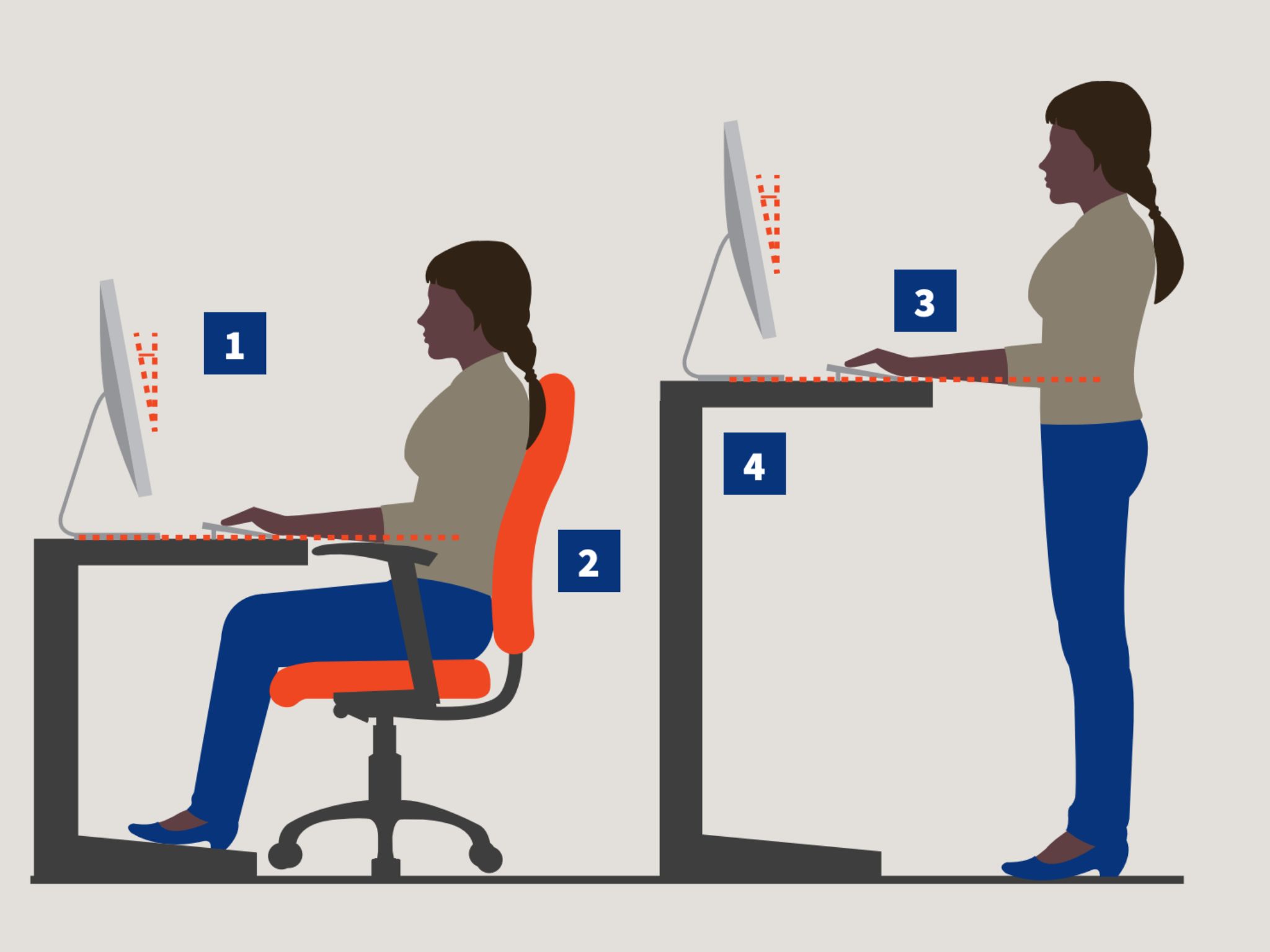
Creating an ergonomic workspace is essential for enhancing productivity and reducing the risk of injury. Here are 5 essential ergonomic practices that can transform your workspace:
- Adjust Your Chair Height: Ensure that your chair is set to a height that allows your feet to rest flat on the ground, with your knees at a 90-degree angle. This alignment helps maintain good posture and minimizes strain on your back.
- Monitor Positioning: Your monitor should be at eye level, about an arm’s length away. This reduces neck strain and encourages a natural alignment of your spine.
Maintaining proper ergonomics isn't just about comfort; it can significantly impact your overall health. Here are three more tips to complete your ergonomic setup:
- Keyboard and Mouse Placement: Position your keyboard and mouse close enough to avoid overreaching. Your wrists should be straight and your hands at or below elbow level to prevent strain.
- Take Regular Breaks: Implement a system of reminders to stand up, stretch, or walk around every 30 minutes. Taking short breaks can enhance circulation and reduce fatigue.
- Personalize Your Space: Add ergonomic accessories like footrests or standing desks to tailor your workspace to your specific needs. A customized environment can make a world of difference.
Counter-Strike is a popular multiplayer first-person shooter game that has captivated gamers since its release. Players join either the Terrorist or Counter-Terrorist team to complete objectives, such as bomb defusal or hostage rescue. It's a game known for its competitive play and strategic depth, making it a staple in the esports scene. For gamers looking to enhance their setup, consider checking out the Top 10 macbook stands to find the best options available.
How Can You Enhance Your Home Office for Ultimate Comfort?
Creating a comfortable home office is essential for productivity and overall well-being. To enhance your home office for ultimate comfort, start by investing in ergonomic furniture. A good quality chair that provides adequate support for your back and neck can make a significant difference. Consider a desk that allows for adjustable heights if you prefer to alternate between sitting and standing. Additionally, organization is key; keeping your workspace clutter-free can help reduce distractions, aiding your focus and efficiency.
Lighting plays a vital role in creating a comfortable environment. Natural light is ideal, so try to position your desk near a window. If this is not possible, opt for high-quality, adjustable lighting that reduces eye strain. Another effective enhancement is incorporating personal touches—such as plants or artwork—that inspire you and create a welcoming atmosphere. By prioritizing these elements, you can create a home office that not only boosts productivity but also feels like a sanctuary.
What Are the Benefits of an Ergonomically Designed Workspace?
Creating an ergonomically designed workspace can significantly enhance productivity and employee well-being. One major benefit is reduced discomfort and fatigue. When your workstation is tailored to fit your body, it minimizes strain on muscles and joints, which can lead to decreased pain and soreness. According to studies, employees who work in ergonomically optimized environments report greater levels of comfort and lower absenteeism due to work-related injuries. This improvement in health can lead to a more engaged and efficient workforce.
Another key advantage is the positive impact on mental health and focus. An ergonomic workspace enhances concentration by reducing distractions caused by discomfort. Properly aligning equipment such as chairs, desks, and computer screens fosters better posture, which can enhance cognitive function and mental clarity. Moreover, when employees feel physically well, they are more likely to maintain a positive attitude, fostering a collaborative and innovative work atmosphere. Implementing ergonomic solutions is not just a matter of comfort; it's essential for maximizing overall workplace performance.