The Strange Origins of Everyday Gadgets: What Inspired Their Designs?
The evolution of everyday gadgets often stems from a mix of necessity and creativity. Many seemingly mundane items, such as paperclips and toothbrushes, have fascinating origins. For instance, the paperclip was invented in the 19th century, initially designed to hold multiple sheets of paper together but evolved into a symbol of efficiency and organization. Similarly, the toothbrush has a long history, with its roots tracing back to ancient civilizations using twigs to keep their teeth clean. These innovations demonstrate how simple ideas can lead to essential items we use daily.
Interestingly, some gadgets are inspired by nature. The velcro we use today was inspired by the natural design of burrs that cling to animal fur. After a hike, Swiss engineer George de Mestral observed how burrs adhered to his dog's fur, leading to the invention that would revolutionize fastening solutions. This incident exemplifies how observing the world around us can spark ideas that result in practical inventions that seamlessly integrate into our lives. Everyday gadgets may seem ordinary, yet their origins are often anything but.
Counter-Strike is a popular first-person shooter franchise that pits teams of terrorists against counter-terrorists in various gameplay modes. Players participate in high-stakes missions, requiring teamwork, strategy, and quick reflexes. If you're looking to enhance your gaming experience, check out the Top 10 iPhone 17 Pro accessories to discover devices that can improve your setup and performance.
Quirky Inventions: The Unexpected History Behind Your Favorite Tech
Throughout history, quirky inventions have often laid the groundwork for the technology we now take for granted. Take, for example, the quirky beginnings of the popular silly putty, which originated during World War II as a rubber substitute but evolved into a beloved children's toy. Its unique properties sparked creativity and led to its widespread adoption. Similarly, the invention of post-it notes was the result of a failed attempt to create a strong adhesive. Instead of scrapping the project, 3M's Spencer Silver embraced the unexpected outcome, ultimately giving rise to an essential office product. Understanding these unconventional origins not only highlights the power of innovation but also the importance of thinking outside the box.
Moreover, many of our favorite tech gadgets have quirky stories that provide a fascinating glimpse into their development. The laser printer, for example, emerged from a science project aimed at creating a device that could produce high-quality images. Initially, its design was so complex that few could envision it becoming a household necessity. Likewise, the popular Rubik's Cube was initially intended as a teaching tool to help students understand three-dimensional geometry. Over time, it transformed into a global sensation and remains a favorite brain teaser. These transformed purposes remind us that the most successful innovations often stem from unexpected ideas, proving that sometimes, quirks are the stepping stones to technological triumphs.
How the Most Bizarre Devices Shape Our Digital Lives
The digital landscape we navigate daily is often influenced by a myriad of bizarre devices that may seem trivial at first glance. From quirky gadgets like the smart toaster that allows users to customize their breakfast through an app, to the infamous self-stirring mug, these innovations, however odd, contribute to our connected experiences. These devices are more than mere novelties; they symbolize the ongoing integration of technology into our daily routines and how these influences shape our expectations and behaviors online.
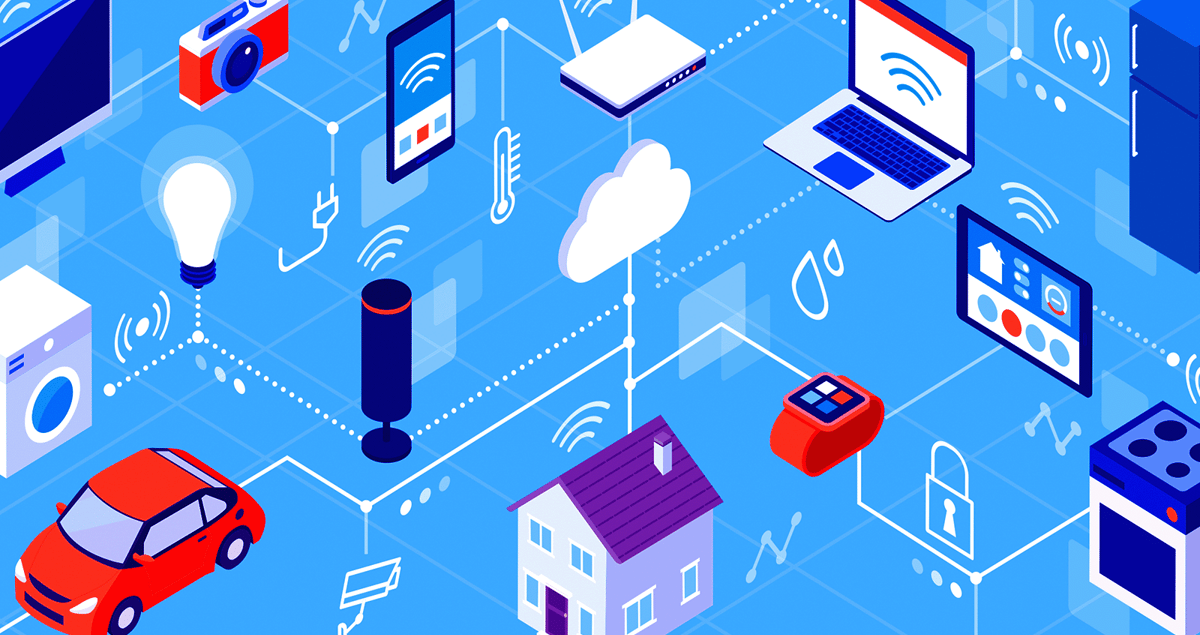
Consider the impact of wearable technology, such as smartwatches and fitness trackers, which serve not only as timekeeping devices but also as vital health monitors. They provide real-time data that influences how we interact with our digital environments and manage our health. Furthermore, the advent of smart home devices, like voice-activated assistants and robotic vacuum cleaners, has transformed our living spaces into interconnected hubs that simplify daily tasks. This convergence of technology is reshaping not just our personal lives but also the broader digital lifestyle we all lead, underscoring the power of bizarre innovations in shaping our future.