Mastering Prefire Angles: A Comprehensive Guide to Sniping Success
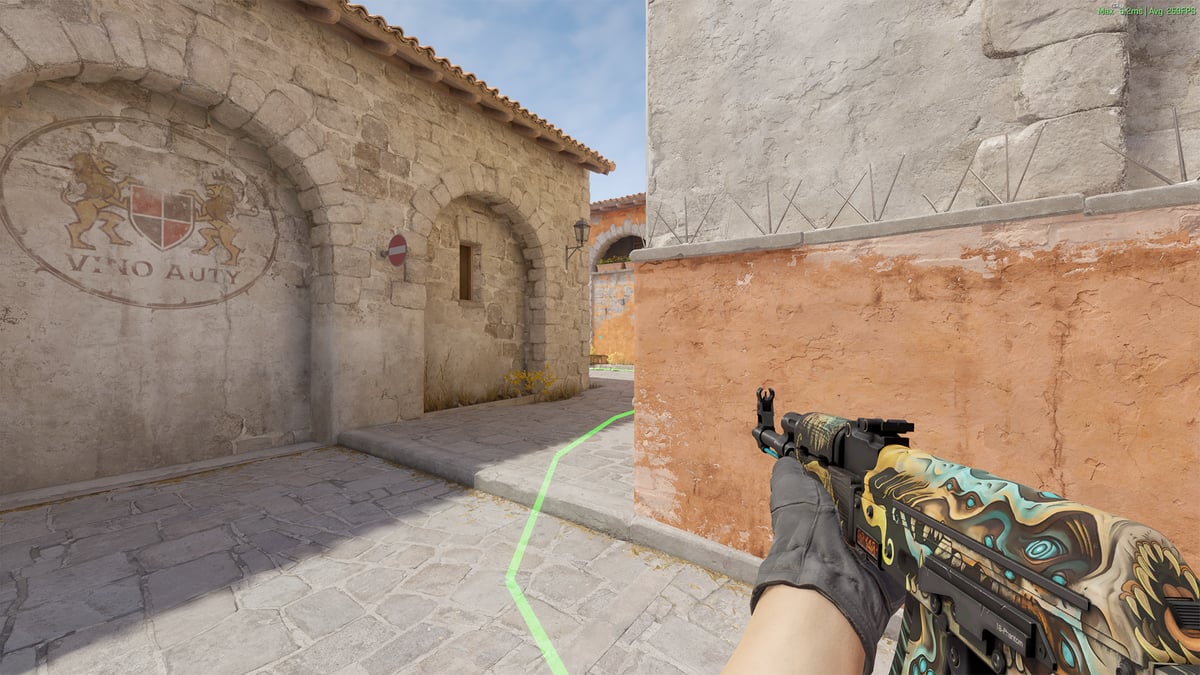
In the realm of competitive shooting games, mastering prefire angles can be the difference between victory and defeat. This technique involves anticipating enemy movements and positioning your crosshair at key points where opponents are likely to appear. Not only does this require a deep understanding of the maps, but also an acute awareness of your enemy's behavior patterns. Start by familiarizing yourself with the layout of each map and identify common pathways and corners where players tend to engage. By leveraging your knowledge, you can create a robust strategy built around optimal prefire angles.
To effectively utilize prefire angles, consider these essential tips:
- Practice regularly: Spend time in training modes to hone your aiming skills and learn the dynamics of each map.
- Watch professional gameplay: Analyze how top players position themselves and take note of their prefire practices.
- Communicate with your team: Share insights about enemy positions and coordinate your strategies for maximum effect.
Counter-Strike is a popular tactical first-person shooter game that emphasizes teamwork and strategy. Players often seek advice on how to rank up in csgo to enhance their skills and climb the ranks. The competitive scene is vibrant and constantly evolving, making it a challenging yet rewarding experience for gamers.
Top 5 Prefire Angles Every Sniper Should Know
Understanding prefire angles is crucial for any sniper aiming to improve their shooting accuracy and effectiveness in the field. The top five prefire angles every sniper should master include:
- Zero Degree Angle: This angle is fundamental for flat shooting and is often the default for most rifle scopes.
- 15 Degree Angle: Ideal for slightly elevated targets, this angle allows snipers to anticipate bullet drop effectively.
- 30 Degree Angle: Perfect for mountainous terrains, the 30-degree angle requires snipers to adjust their aim to compensate for both distance and elevation variations.
- 45 Degree Angle: This angle is particularly challenging yet essential for shooting at higher elevations, allowing for greater distance shooting potential.
- Negative Angle: Often overlooked, this angle is necessary when shooting downward, such as from elevated positions.
Every sniper must not only understand these prefire angles but also practice consistently to maintain precision. In varying environments, factors such as wind, humidity, and temperature can impact these angles, making it imperative to adjust calculations accordingly. Incorporating prefire angles into routine training exercises can significantly enhance shooting performance and overall mission success.
How to Use Prefire Angles to Outmaneuver Your Opponents in Competitive Play
In competitive play, mastering prefire angles can significantly enhance your ability to outmaneuver your opponents. Prefire angles refer to positioning yourself at strategic locations on the map to maximize your chances of landing a hit before your opponent even appears in your line of sight. To effectively leverage this technique, study the common paths and likely positions where enemies may approach. For instance, if you know that players frequently take a specific route, consider holding an angle that allows you to pre-emptively shoot as they enter your area. This not only puts you at an advantage but also minimizes the risk of being caught off guard.
To implement prefire angles successfully, practice regularly in both regular matches and training modes. You can enhance your skills by employing the following strategies:
- Map Knowledge: Familiarize yourself with all the maps to identify the most effective prefire points.
- Timing: Practice your shot timing, ensuring that your crosshair aligns perfectly as opponents approach.
- Anticipation: Learn to predict enemy movements, allowing you to aim where they will be rather than where they currently are.
By integrating these techniques into your gameplay, you'll be able to consistently gain the upper hand and outsmart your competition.