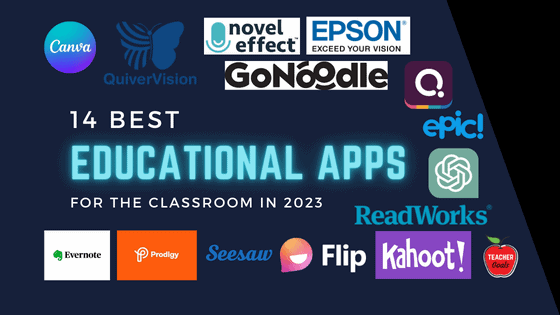
Top 5 Educational Apps That Make Learning a Game
In today's digital age, learning has transformed significantly, making use of technology to engage students in fun and innovative ways. Educational apps that turn learning into a game are becoming increasingly popular among learners of all ages. These apps combine educational content with gameplay mechanics to create an interactive experience that promotes skill development while keeping the user entertained. Here are the top 5 educational apps that make learning a game:
- Duolingo: This language-learning app uses gamification to encourage users to learn new languages through engaging challenges and daily goals.
- Kahoot! This platform allows educators to create trivia quizzes and games that students can participate in, making learning competitive and fun.
- Khan Academy Kids: Targeted for younger audiences, this app offers various games and activities to introduce foundational concepts in a playful manner.
- Prodigy Math: A game-based learning platform that makes math practice exciting with interactive quests and rewards.
- Stationery: This app promotes hands-on learning where students can create their own experiments in a virtual lab setting.
How to Choose the Right Educational App for Your Child
Choosing the right educational app for your child can be a daunting task given the plethora of options available. Start by considering your child’s age and learning preferences. Educational apps often cater to specific age groups and subjects, so it's crucial to select one that aligns with your child's current needs and interests. For instance, if your child is a visual learner, look for apps that incorporate interactive elements like videos, animations, and quizzes. Additionally, reading user reviews and ratings can provide insights into the app's effectiveness and usability.
Once you've narrowed down your options, it’s essential to evaluate the app’s content quality and engagement level. Check if the app promotes active learning by providing opportunities for practice and exploration. You might also consider whether the app supports learning through play, as this approach can significantly enhance your child’s educational experience. Finally, ensure the app is safe and secure; apps that require personal information should be approached with caution. By following these guidelines, you can make an informed decision that supports your child’s learning journey.
Are Educational Apps Really Effective? Here's What the Research Says
The effectiveness of educational apps has been a topic of debate among educators and parents alike. Research indicates that while these apps can enhance learning experiences, their success largely depends on several factors such as the app's design, the subject matter, and the user's age. A recent study found that students who utilized educational apps demonstrated improved engagement and motivation compared to traditional learning methods. Moreover, apps that incorporate interactive elements and gamification are often more effective at maintaining a learner's attention.
However, it is essential to consider some drawbacks associated with the use of educational apps. Over-reliance on technology can lead to distractions, and not all apps are created equal; many lack the rigorous educational framework necessary for effective learning. According to reviews of various studies, the following points should be considered when evaluating the efficacy of educational apps:
- Content Quality: Is the app developed by educational professionals?
- User Feedback: Are there positive reviews from both parents and educators?
- Learning Outcomes: Does the app facilitate measurable progress in knowledge or skills?