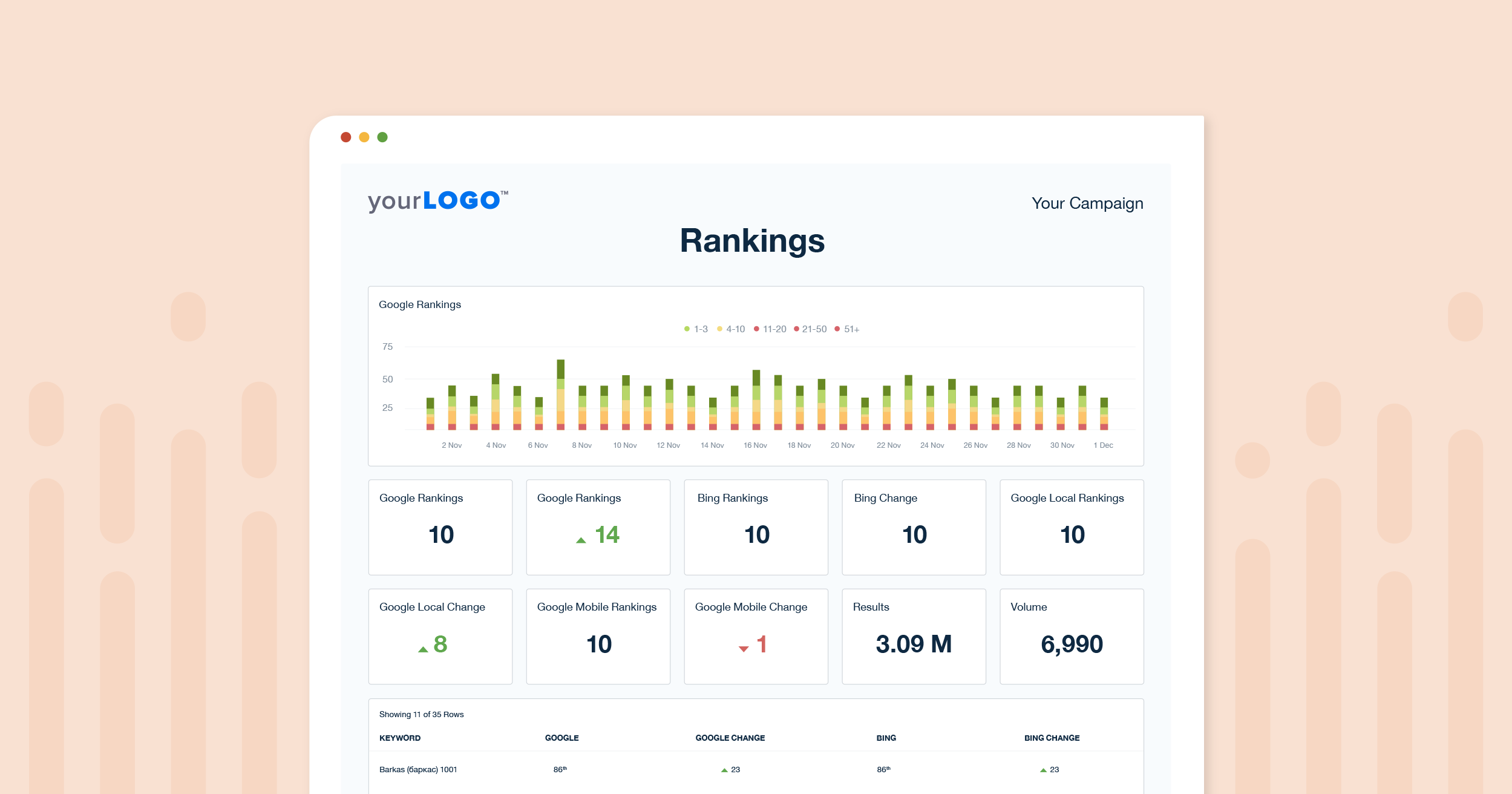
Top 10 Strategies to Climb the Google Rankings: Boost Your Keyword Rank
In today's competitive digital landscape, achieving a higher position on Google search results is crucial for driving traffic to your site. Implementing effective SEO strategies can significantly boost your visibility. Here are the top 10 strategies to climb the Google rankings and enhance your keyword rank:
- Conduct Keyword Research: Begin by identifying keywords that resonate with your target audience. Utilize tools like Google Keyword Planner to find high-volume and low-competition keywords.
- Optimize On-Page SEO: Ensure that your website content is keyword-rich without being spammy. This includes using keywords in headers, meta descriptions, and throughout your content naturally.
- Create High-Quality Content: Quality content that addresses user intent can improve your rankings. Aim to provide valuable, informative, and engaging material that keeps visitors on your page.
- Improve Page Load Speed: A slow-loading site can hurt your rankings. Optimize images, leverage browser caching, and minimize scripts to enhance your page speed.
- Build Quality Backlinks: Focus on earning links from reputable sites, as backlinks are a significant ranking factor.
Continuing with the vital strategies, content marketing and social media engagement are paramount. Below are additional methods to secure your climb in rankings:
- Utilize Social Media: Promote your content on social platforms to reach a broader audience, driving traffic back to your website.
- Mobile Optimization: With the rise in mobile users, ensuring your site is mobile-friendly can significantly enhance the user experience and improve rankings.
- Local SEO: If applicable, optimizing your content for local search can draw in nearby customers. Make use of Google My Business to enhance your local presence.
- Regularly Update Content: Keep your content fresh and relevant by regularly revisiting and updating older posts.
- Monitor Analytics: Use tools like Google Analytics to track your progress and adjust your strategies based on what's working.
How to Optimize Your Content for Maximum Keyword Visibility
Optimizing your content for maximum keyword visibility requires a strategic approach. Start by conducting thorough keyword research to identify the keywords that your target audience is searching for. Tools like Google Keyword Planner can help you find relevant terms with good search volume. Once you have your list, incorporate these keywords naturally into your content. Focus on including them in key areas such as the title, headers, and the first 100 words of your text, as these placements carry more weight in SEO rankings.
In addition to strategic placement, ensure that your content is engaging and valuable to your audience. Use bullet points or numbered lists to break up text and improve readability. Consider adding visuals such as images or infographics, which can enhance user experience and increase the likelihood of shares. Finally, regularly update your content to keep it relevant and maintain its keyword visibility. By following these strategies, you can effectively optimize your content and improve its search engine performance.
Common Mistakes to Avoid When Trying to Improve Your Keyword Rank
Improving your keyword rank is crucial for enhancing your online visibility, but many make common mistakes that hinder their efforts. One prevalent error is keyword stuffing, where individuals excessively use keywords in an attempt to rank higher. This not only detracts from the quality of your content but also can lead to penalties from search engines. Instead, focus on creating valuable content that naturally incorporates your target keywords while providing useful information to your readers.
Another mistake is ignoring the importance of long-tail keywords. Many bloggers tend to focus on highly competitive short keywords, which can be incredibly challenging to rank for. By incorporating more specific and less competitive long-tail keywords, you can attract a targeted audience that is more likely to engage with your content. Additionally, be sure to regularly monitor your keyword performance and adjust your strategy as necessary to stay ahead of the competition.